
Archived on February 10, 2026
Our Perspective | By Dawn Simonson, President and CEO of Trellis.
This article was first published in Minnesota Physician, December 2021.
Americans are conflicted about aging. We seek longevity but fear growing older. And no wonder. According to California State University psychology professor Todd Nelson, “Old age is stereotypically perceived as a negative time–the older person suffers declines in physical attributes, mental acuity, loss of identity (retirement from job), loss of respect from society and increasing dependence on others.” Much of the negativity associated with aging is based on myths and is rooted in ageism.
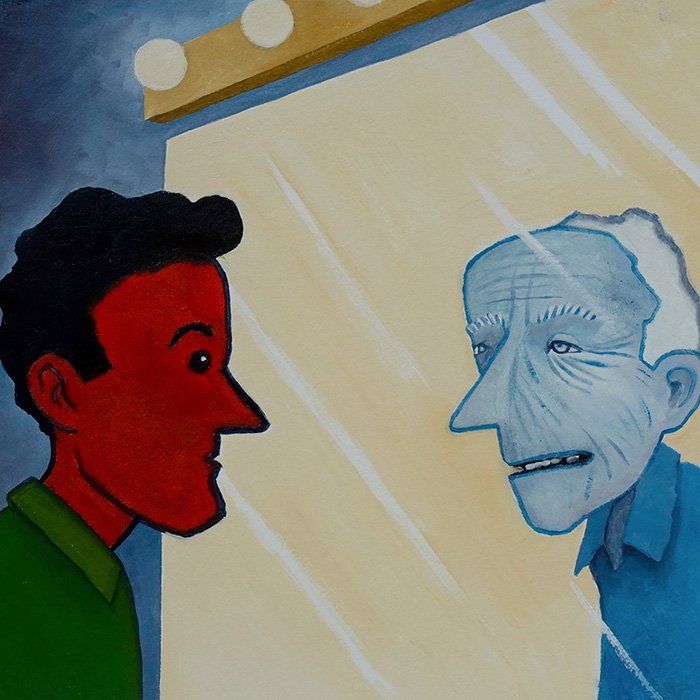
In its “Global Report on Ageism” issued earlier this year, the World Health Organization (WHO) defines ageism as “how we think (stereotypes), feel (prejudice) and act (discrimination) towards others or ourselves based on age.” Ageism is based in stereotypes, biases and misconceptions learned in childhood and reinforced throughout life. It can impact both young and old, but the most detrimental impacts on health and well-being have been documented in older people. The WHO report notes that “ageism is prevalent, ubiquitous and insidious because it goes largely unrecognised and unchallenged.”
Impacts of ageism on older adults
WHO reports that: “Ageism shortens lives, leads to poorer physical health and worse health behaviours, impedes recovery from disability, results in poorer mental health, exacerbates social isolation and loneliness and reduces quality of life. Ageism takes a heavy economic toll on individuals and society, contributing to financial insecurity and poverty and costing society billions of dollars.”
A recent study by Becca Levy at Yale University found that ageism is a major contributor to the eight most expensive health conditions, including cardiovascular disease, chronic respiratory disease and diabetes. The report estimates an excess annual cost from the effects of ageism at $63 billion.