
Our Perspective | By Sarah Adams, ElderCare Development Partnership Coordinator
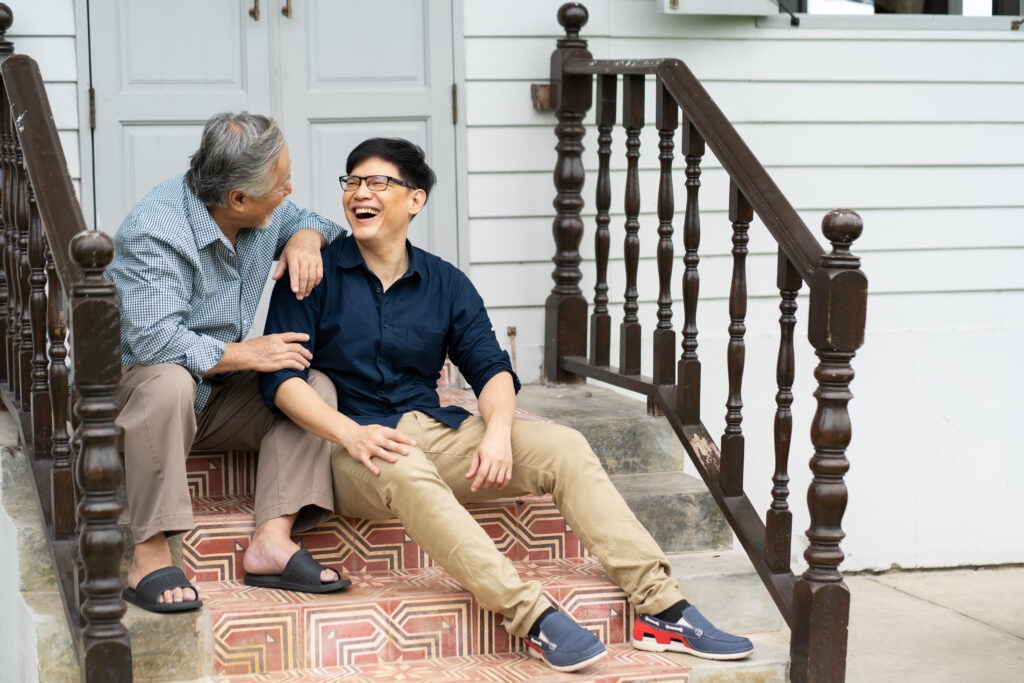
Caregiving is not a sole task or a diagnosis but a complex, interdependent, and evolving role and relationship that is deeply personal. And it can be full of both challenges and joys.
In Minnesota, 92% of the estimated 931,000 family/friend caregivers care for an adult with functional needs and or complex medical conditions.
Caregivers tend to experience more negative health, financial, and social impacts than their non-caregiving peers. For working caregivers, employment and parenting can be added complexities to one’s time, finances, and skills. Caregivers in the workforce report a higher incidence of reducing their work hours or leaving employment altogether to provide care. Caregivers report challenges of moderate to high physical and emotional stress and social isolation. Mirroring disparities in broader society, caregivers who identify as women, LGBTQ+ and people of color tend to experience some of the negative impacts of caregiving at a higher intensity. Further, the relationship between a caregiver and a person with functional needs can be complex and not always built on a foundation of unconditional love or reciprocity.
And yet, there are many benefits of the caregiving relationship. For many people living with a functional need, the support of their family members, friends and community is essential to their well-being. Caregivers support their family, friends and neighbors to live in communities of their choice, to engage in meaningful work, volunteer, and social opportunities, and access health and social care. Caregivers often report high levels of meaning and purpose associated with their role. This relationship can also be held in great cultural and spiritual esteem. It is an essential and yet undervalued role in our society.
Investing in services and support for caregivers and people living with functional needs helps to mitigate some of the negative impacts of this role, while uplifting and embracing the benefits that make this relationship so important. There are ways that the caregiving relationship can be supported and uplifted every day in big and small gestures and in a variety of spaces.
- A spouse accesses a federal or state leave resource to maintain their employment and livelihood while also caring for their spouse living with a traumatic brain injury after a motor vehicle accident.
- An older adult parent caregiving for their adult child attends a caregiver consultation session and identifies a goal to work toward their own wellness while balancing the needs of their child.
- A person living with Parkinson’s Disease receives a meal or a ride from a local service provider, thereby giving their caregiver a break or ability to focus on other issues at hand.
- An adult child caregiving for their parent attends an online caregiver support group after they are done with their workday.
- An employee attends a lunch and learn hosted by their company about caregiving and acknowledges for the first time that they are beginning to provide care for their lifelong friend who recently started exhibiting more serious memory loss symptoms and has no immediate family to support them.
- A local park offers access to all-terrain wheelchairs, allowing a grandchild to go on a hike with their grandparent who uses mobility devices.
- A primary care physician asks their patient if they are a caregiver and explores the impact on their current wellness.
- A niece caregiving for her aunt living with dementia attends a Memory Café together at a local library where they can socialize without worry or stigma.
- A neighbor becomes a Dementia Friend and learns skills to support their neighbor with dementia.
While the examples above may seem idealized, they are also real and happening every day thanks to efforts in our local communities, states, and national programs. As our demographics shift and caregiving impacts more relationships, increases in intensity and complexity, and lasts for longer periods of time[1], we will need even more examples and action to ensure that the caregiving relationship is embraced and supported.
Caregiving will inherently have ups and downs. We cannot eliminate hard times or challenges, but we can make the bumps a little less extreme when we embrace that caregiving is happening all the time around us, and we adapt to ensure caregivers are acknowledged and supported whether at home, in the community, at work and wherever they show up.
This National Family Caregiver Month, lend an uplifting thought, experience or resource to those caregivers in your life. Think about where you work, play, volunteer and do business, and if there are changes you can make to facilitate a more inclusive society for caregivers. Supporting this role benefits us all.
To take action and learn more:
Connect with Minnesota Aging Pathways at 800-333-2433 and ask about Caregiver Services in your area. Visit the Minnesota Aging and Disability Resource page to explore local resources at your own pace.
Volunteer at a local social service organization that provides rides, delivers meals, or offers other essential supports to people living in the community with functional needs and provide respite to caregivers.
Learn more about the community-based programs and services funded by the Older Americans Act and locally administered by your regional Area Agency on Aging.
Learn more about benefits of Minnesota Paid Leave and Family Medical Leave Act for family and friend caregivers in the workforce.
Age-friendly is caregiver-friendly. Learn more about Age-Friendly efforts in Minnesota through Age-Friendly Minnesota and our local AARP chapter.
Become a Dementia Friend.
Sarah Adams is an ElderCare Development Partnership Coordinator at Trellis with 10 years’ experience serving older adults and caregivers, engaging in program design and grants management. Sarah supports organizations in the seven-county metropolitan area to enhance their capacity to serve older adults and caregivers through technical assistance for funding opportunities, program consultation, and partnership building.